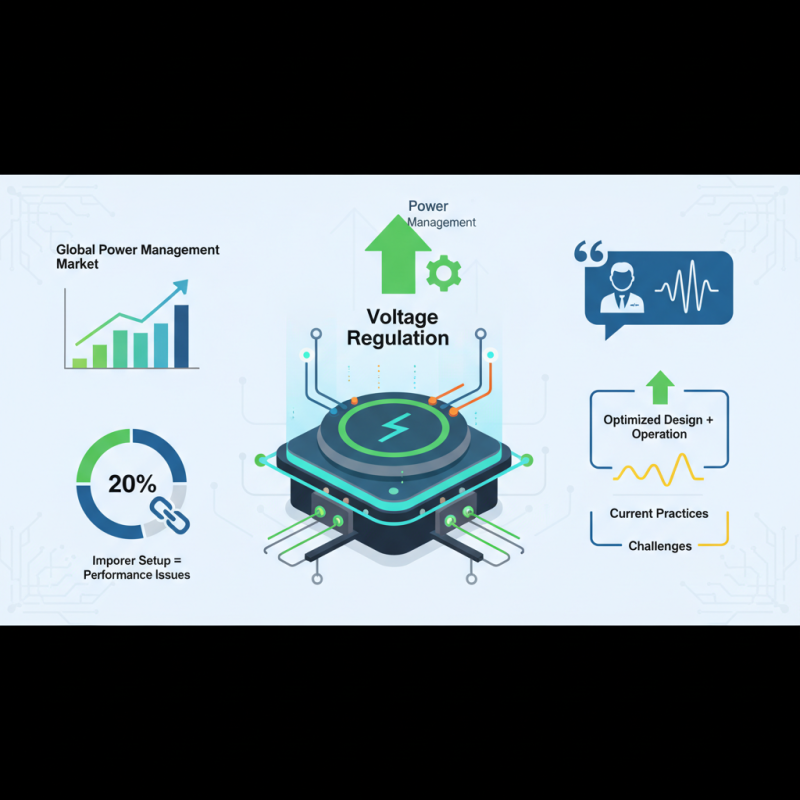
Lately, there's been a real uptick in the demand for better voltage regulation. It’s pretty clear that the global power management scene is booming — estimates suggest it could hit around $30 billion by 2026. And at the heart of all this? Auto Transformers. They’re playing a pretty big role in shaping how we manage and distribute power. Dr. Robert Finch, a well-known expert in the field, once mentioned, 'Auto Transformers offer a versatile solution for voltage regulation that enhances energy efficiency.' That’s a pretty straightforward way of saying we’re increasingly relying on smart tech to handle our energy needs more effectively.
Basically, Auto Transformers tweak voltage levels without wasting too much energy — they're pretty nifty in substations and industrial setups. With energy prices climbing, we really can’t ignore their significance. But here’s the thing— not every system runs smoothly. Sometimes, poor design or shoddy implementation leads to underperformance, which is a real bummer. It makes us think it’s time to revisit how things are being set up these days.
Industry stats show that nearly 20% of performance troubles come down to poor installation. Even with all their benefits, Auto Transformers sometimes fall short because of mistakes or overlooked details. That’s actually a huge opportunity for folks to step up their game. Think about optimizing design and operation — it could really boost energy efficiency. The road to mastering voltage regulation isn’t over yet; it’s filled with challenges, sure, but there’s also a lot of potential for improvement and innovation.
Understanding Auto Transformers: Definition and Functionality
Auto Transformers play a crucial role in voltage regulation and power management. These devices effectively adjust voltage levels while maintaining efficiency. Unlike traditional transformers, Auto Transformers have a single winding with taps that create different voltage outputs. This design allows for a more compact size and reduced material use. The simplicity of the construction leads to lower costs in many applications.
The functionality of Auto Transformers is based on the principle of electromagnetic induction. When an AC voltage is applied to the primary winding, it generates a magnetic field. This field induces a voltage across the secondary winding, which is connected to the load. The unique structure permits voltage step-up or step-down capabilities. However, it's essential to consider their limitations. Auto Transformers are not suitable for electrical isolation, which can pose risks in certain scenarios.
Using Auto Transformers efficiently requires careful consideration of applications. They excel in situations where space and cost are critical. Yet, potential issues like overheating and voltage creep should not be ignored. These factors necessitate regular monitoring and adjustments for optimal performance. The balance of efficiency and safety remains a vital aspect of utilizing Auto Transformers in real-world scenarios.
The Importance of Voltage Regulation in Power Systems
Voltage regulation is crucial in power systems. It ensures the consistent delivery of electricity. Significant fluctuations can damage equipment and disrupt operations. According to a report by the IEEE, poor voltage regulation accounts for up to 30% of power quality complaints. Keeping voltage within acceptable limits enhances system reliability and efficiency.
Tips: Regularly monitor voltage levels. This can help identify issues before they escalate. Utilize advanced technologies, like Auto Transformers, for better management. They provide automatic adjustments and improve power flow across grids. This proactive approach reduces the risk of outages.
Voltage regulators maintain balance amid demand fluctuations. A study by the U.S. Department of Energy highlights that inadequate regulation can lead to energy losses up to 5%. Implementing effective voltage regulation is not just about compliance; it’s vital for operational longevity. Delaying improvements might lead to recurring problems. Consider this: how often do you check your system's voltage performance? Neglecting this could have serious implications.
How to Use Auto Transformers for Voltage Regulation and Power Management - The Importance of Voltage Regulation in Power Systems
| Parameter | Description | Typical Value | Importance |
| Input Voltage | The voltage supplied to the Auto Transformer. | 0-1000 V | Determines the transformer design and its application. |
| Output Voltage | The adjusted voltage output from the Auto Transformer. | Varies based on settings | Essential for ensuring equipment operates within required voltage levels. |
| Load Current | Current drawn by the connected load. | Up to 500 A | Critical for calculating transformer ratings and efficiency. |
| Turn Ratio | Ratio of primary to secondary windings. | 1:1 to 10:1 | Influences the output voltage, affecting regulation. |
| Power Rating | Maximum power the transformer can handle. | 1 kVA to 1000 kVA | Key for system stability and avoiding overload. |
Basic Principles of Auto Transformers in Voltage Management
Auto Transformers play a crucial role in voltage management. They are designed to provide voltage regulation across various applications. By adjusting the voltage level, they help maintain efficient power distribution. This is especially important in industrial settings, where equipment demands stable voltages. According to recent industry reports, auto transformers can reduce energy losses by up to 15% compared to conventional transformers.
One key principle is the winding arrangement. The primary and secondary coils share a portion of their windings. This design reduces the amount of copper used and lowers energy losses, enhancing efficiency. However, this also means that if one coil fails, the entire unit may be compromised. Regular maintenance can address this flaw. Ensuring proper inspection can mitigate risks and prolong the transformer's lifespan.
Tips: Monitor voltage levels regularly to detect fluctuations early. Consider installing protective devices to shield the auto transformer from overloads. Implementing a maintenance schedule can drastically improve reliability. Remember, a well-maintained transformer can lead to cost savings over time. Data from various engineering sources suggest that effective management of these systems is paramount. Inadequate attention to voltage regulation can lead to equipment failure and financial losses.
Applications of Auto Transformers in Electrical Networks
Auto transformers play a vital role in electrical networks. They are especially useful for voltage regulation and power management. One common application is adjusting voltage levels in transmission lines. This ensures that the voltage remains within safe limits, enhancing the reliability of the grid. In rural areas, where voltage drop is significant, auto transformers help maintain a stable supply. They allow for better energy distribution, reducing the risk of brownouts.
Industries also utilize auto transformers for their machinery. These transformers can adapt to different voltage requirements for various machines. For example, if a factory uses equipment with different voltage needs, an auto transformer can ensure everything runs smoothly. This flexibility minimizes equipment damage. It's noted that under certain loads, efficiency may drop. Careful monitoring is essential to avoid potential issues.
In renewable energy systems, auto transformers enable connection with the grid. Wind and solar power can fluctuate. Using auto transformers allows for smoothing out these variations. However, the implementation can be complex. Miscalculations can lead to overloading. This emphasizes the need for precise planning and execution when integrating them into larger networks.
Benefits of Using Auto Transformers for Power Management
Auto transformers play a crucial role in voltage regulation and power management. Their efficiency significantly surpasses that of traditional transformers. According to recent industry reports, using auto transformers can improve energy transfer efficiency by up to 98%. This reduction in energy loss contributes to cost savings and a lower carbon footprint.
The benefits of auto transformers extend beyond efficiency. They occupy less space and can handle larger loads. Their lightweight design means reduced structural costs. Moreover, they have lower impedance compared to traditional transformers, enhancing system stability. With their compact design, they are becoming increasingly popular in residential and commercial settings.
**Tip**: When selecting an auto transformer, consider load requirements carefully. Oversizing can lead to inefficiencies.
The versatile nature of auto transformers also allows for easy voltage adjustments. This adaptability can be vital in applications with fluctuating demands. However, not every situation calls for an auto transformer. It’s important to assess the specific needs of your power system.
**Tip**: Always monitor voltage levels. This can prevent potential overload situations.
Benefits of Using Auto Transformers for Voltage Regulation and Power Management
Challenges and Limitations in Auto Transformer Implementation
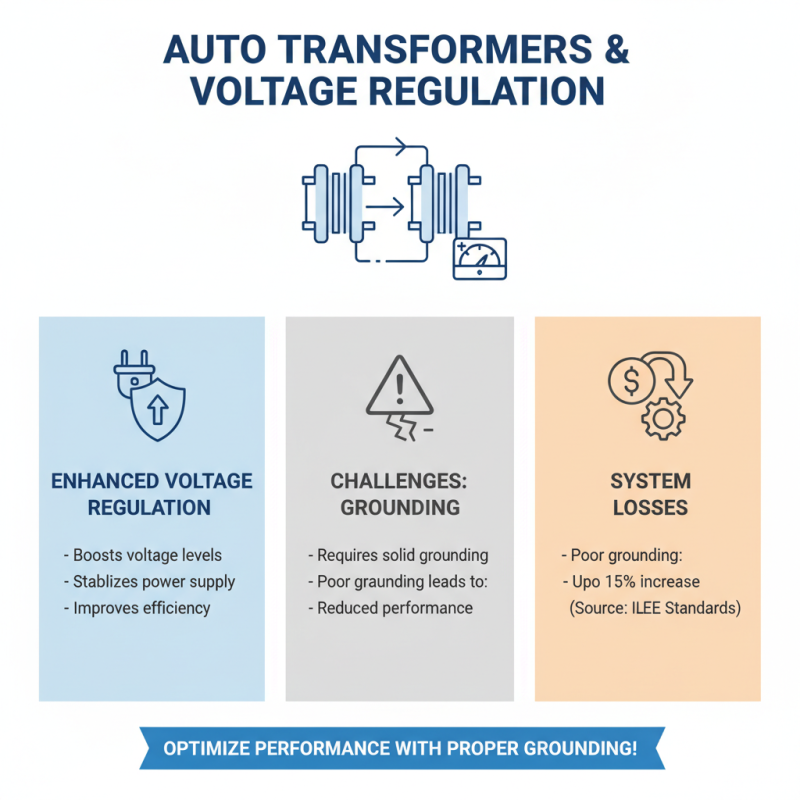
Auto transformers can significantly enhance voltage regulation. However, their implementation is not without challenges. One common issue is the reliance on a solid grounding system. Poor grounding can lead to unbalanced voltage distribution, which affects performance. According to the IEEE Standards Association, grounding issues can cause up to a 15% increase in system losses.
Another concern involves the limited voltage regulation range of auto transformers. Typically, they excel in applications requiring small voltage adjustments. When larger adjustments are needed, their efficiency diminishes. Data from the Electric Power Research Institute indicates that, in some cases, losses can exceed 10% when the voltage deviation is above 10%. This limitation can hinder their versatility in dynamic environments.
The design complexity is another critical hurdle. Auto transformers require precise calculations and configurations for optimal efficiency. Minor errors in design can lead to significant performance discrepancies. Studies show that nearly 30% of auto transformer installations experience early operational failures due to inadequate design practices. These statistics highlight the necessity for skilled personnel in the installation process to ensure reliability.
Best Practices for Maintenance and Operation of Auto Transformers
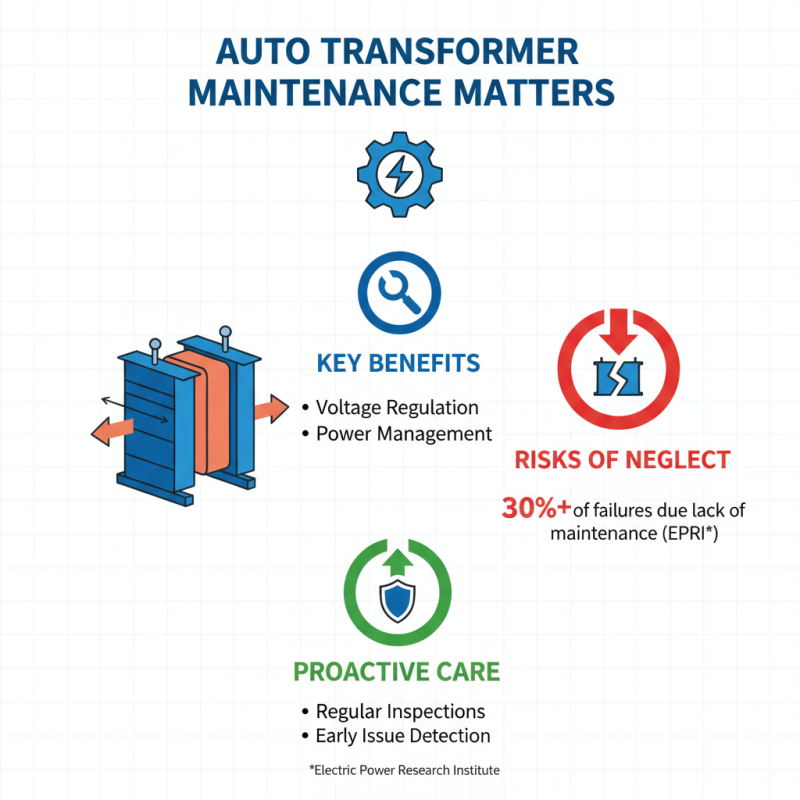
Auto transformers play a crucial role in voltage regulation and power management. Proper maintenance is essential to ensure their efficiency and longevity. Regular inspections can identify potential issues early. According to the Electric Power Research Institute, over 30% of transformer failures are due to maintenance neglect. This statistic underlines the importance of proactive care.
Maintaining insulation integrity is vital. Moisture ingress can deteriorate the system. Regularly check ambient humidity levels. Installing dehumidifiers can help prevent excess moisture. Furthermore, periodic thermal imaging can reveal hot spots in the winding or connections. These hot spots can indicate problems that might lead to failures.
Monitoring load conditions is equally important. Operating outside the specified load range can lead to overheating. A study found that 25% of transformers operate under heavy load conditions. This not only shortens their lifespan but can also cause reliability issues. Adjustments based on load demand help maintain optimal performance. Regular analysis of load trends allows operators to make informed decisions for power management.
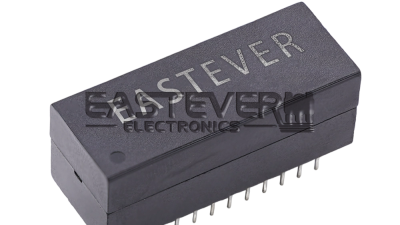
Maximizing Network Efficiency: Insights from Recent Reports on RJ45 to RJ11 LAN Transformers for 100/1000 BASE-T Applications
In the realm of network efficiency, the connection between RJ45 and RJ11 LAN transformers has garnered significant attention, especially in 100/1000 BASE-T applications. Recent industry reports indicate that the integration of advanced transformers can substantially enhance data throughput and reliability within various sectors, including industrial automation and medical equipment. The ability of these transformers to maintain high-performance levels under diverse conditions is pivotal for applications such as solar inverters and process control systems.
One standout solution in this domain is characterized by its broad operational temperature range—from -40°C to +125°C—allowing it to function effectively in challenging environments. Such resilience is critical for devices involved in industrial automation and polyphase energy metering, where consistent performance is non-negotiable. Additionally, storage conditions further amplify the effectiveness of these components, suggesting that components stored properly can perform optimally, maintaining system integrity.
As data demands escalate, the importance of reliable and efficient network components becomes increasingly relevant. Incorporating products that comply with RoHS directives and support high temperatures can ensure that systems are not only efficient but also sustainable. The rising trends in digitization across various sectors underscore the necessity for such efficient transformers, ultimately driving improvements in communication, control, and monitoring applications. By leveraging these technologies, organizations can significantly maximize their network efficiency, catering to the ever-growing demands of modern infrastructure.
FAQS
: Try to troubleshoot the issue using the manual. If it persists, reach out for support.
Explore all features and settings. Sometimes, small adjustments can enhance your overall experience.
Yes, occasional glitches can occur. It’s a reminder to check for updates or reset the device.
Many forget to calibrate or update the product. These steps are crucial for optimal performance.
Regular maintenance is key. Cleaning it every few weeks can prevent build-up and improve function.
Extreme conditions may affect the product. Always consult guidelines to prevent potential issues.
Check the official website for updates. Community forums can also provide valuable user insights.
Warranty may vary. Check the terms for what’s covered and any potential limitations.
Review the user manual regularly. Watching tutorial videos can also clarify usage.
Reflect on your expectations. Consider if adjustments can enhance your satisfaction before seeking alternatives.
Conclusion
Auto transformers are an essential component in electrical systems, designed to enhance voltage regulation and optimize power management. These devices operate by using a single winding to serve both the primary and secondary sides, which allows for efficient voltage transformation while minimizing losses. The importance of voltage regulation in power systems cannot be overstated, as it ensures the stability and reliability of the electrical supply.
One of the primary functions of auto transformers is voltage management, which is crucial in various applications within electrical networks, from industrial facilities to utility grids. Their advantages include reduced size and cost compared to traditional transformers, making them an attractive choice for many applications. However, challenges such as output waveform distortion and insulation requirements need to be addressed during implementation. To maximize the benefits of auto transformers, following best practices for maintenance and operation is vital, ensuring longevity and optimal performance in power management systems.

 +86-15916242887
 CONTACT US